Four disciplines.One focal point.

We don’t sell frameworks by the slide. We pick the problem up wherever it sits — strategy, organisation, operations or change — and follow it until it’s solved.

Diagram: rays pass through four lenses in a row — strategy, organisation, operations and change — and meet at one ember point, the core issue.

Strategy & direction

A strategy is only useful if people can act on it on a Tuesday afternoon. We help you choose — and make the choice easy to follow.
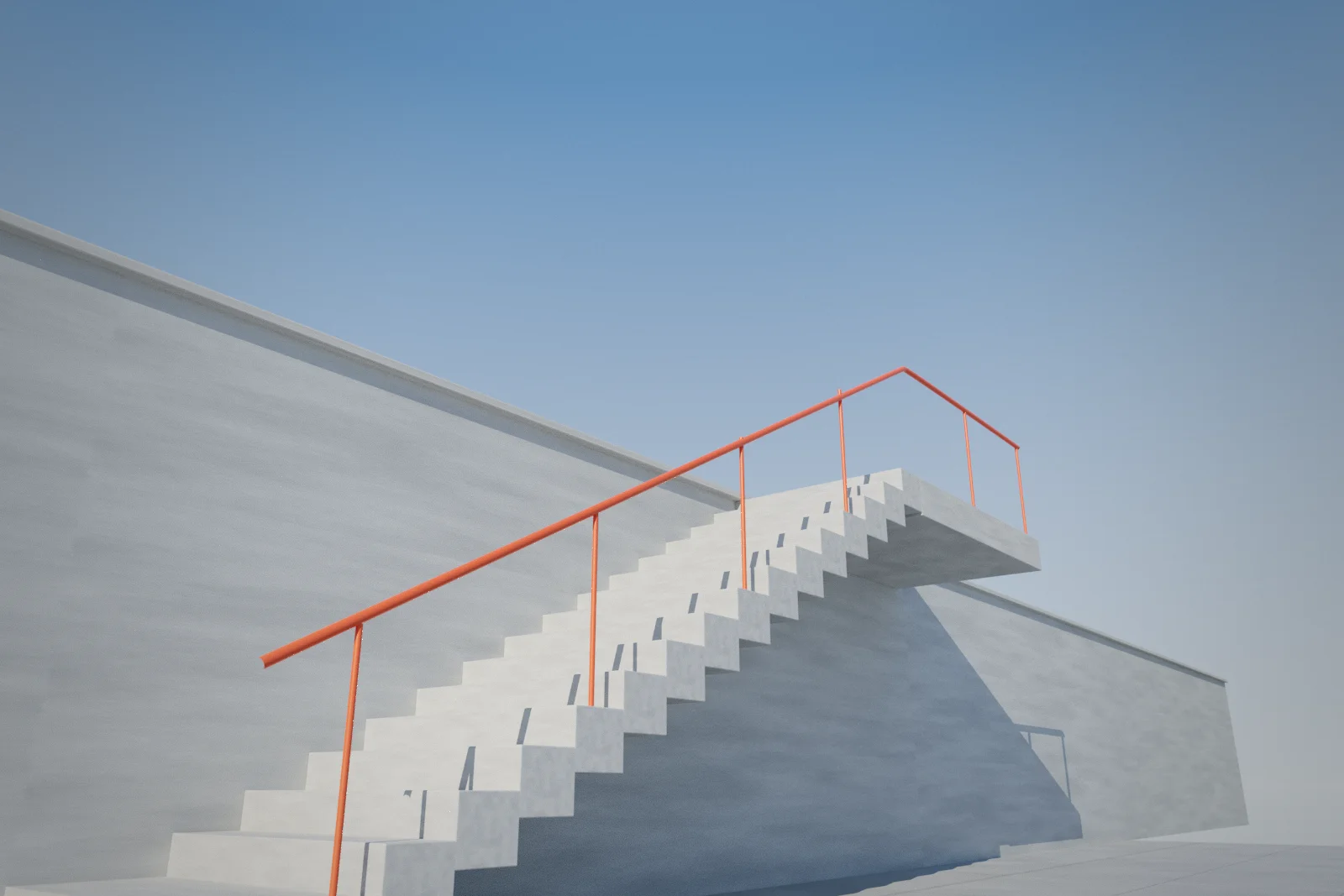
Pale stone steps climbing a sunlit wall toward open sky, with a thin ember handrail.
Direction is a handrail, not a slogan.Study 03

Questions we’re asked

  • Where should we grow next — and what should we stop?
  • Is our UK plan realistic for the team we have?
  • Why doesn’t the strategy show up in day-to-day decisions?

What we do

  • Strategic review and options appraisal
  • Market entry and expansion planning for the UK
  • Leadership offsites that end in decisions
  • Turning strategy into priorities, goals and a yearly plan

What you leave with

A strategy on a page, a short list of things you’ll stop doing, and a plan for explaining both to the organisation.

Organisation & operating model

Structure follows decisions. We start with who needs to decide what — and design roles, teams and governance around it.

A white architect's massing model on a board in low sun, with one ember block at the crossing of the streets.
Every structure has a centre of gravity.Study 02

Questions we’re asked

  • Why does everything still need the founder’s sign-off?
  • We’ve grown to 150 people. Is our structure still right?
  • How should our UK company work with the group?

What we do

  • Operating model design: what’s done where, and by whom
  • Organisation design, spans and layers
  • Decision rights and governance — who decides, who is consulted
  • Role profiles and leadership team set-up

What you leave with

An organisation chart that matches how decisions are really made, a map of decision rights, and a governance calendar people actually keep.

Operations & performance

Most performance problems are flow problems: work waiting for a decision, a handoff or a person. We find the waiting and take it out.

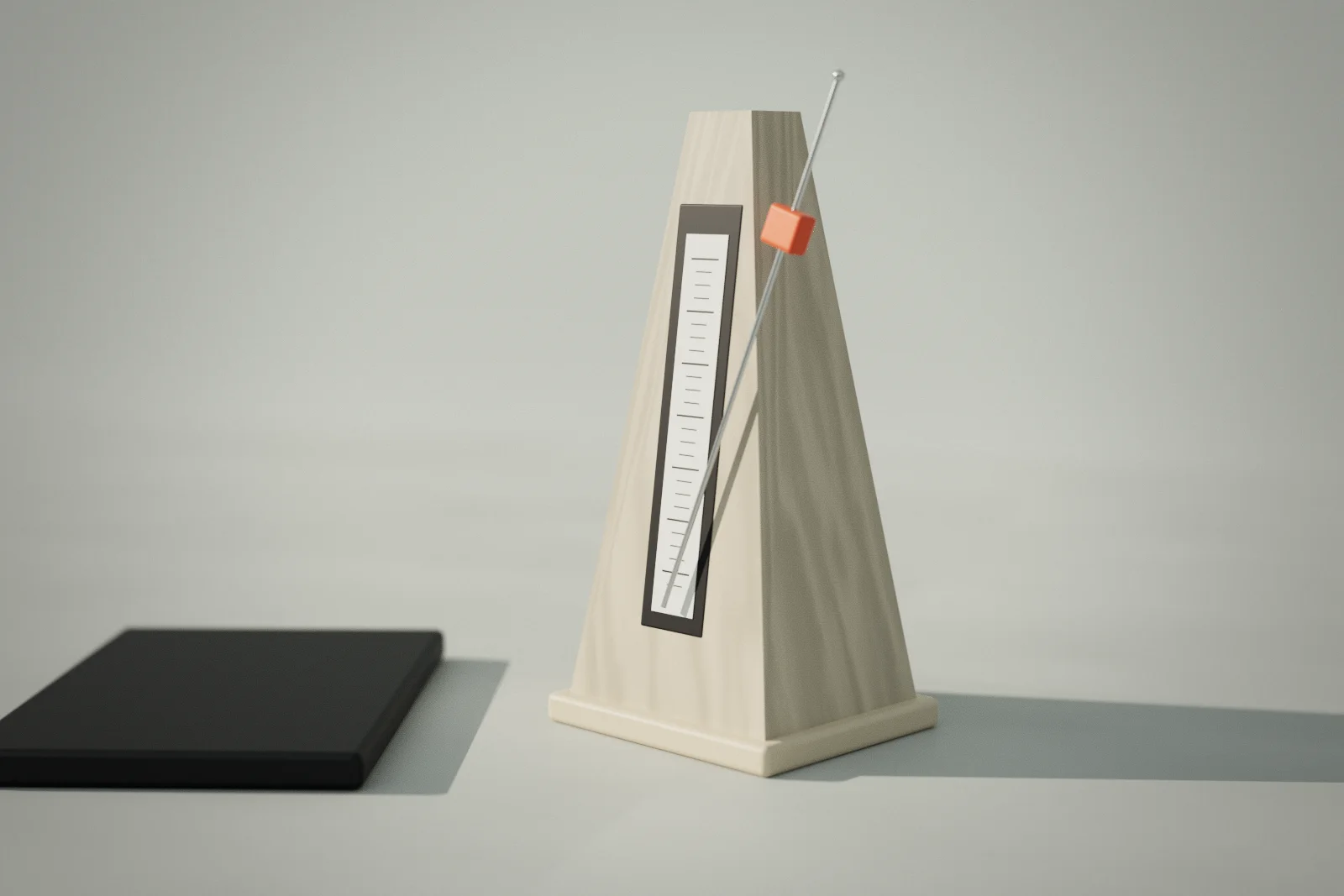
A pale wooden metronome on a light desk with its pendulum mid-swing; the sliding weight on the pendulum is ember-coloured.
Performance is a rhythm, not a push.Study 04

Questions we’re asked

  • Why does everything take longer each year, even as we add people?
  • Which numbers should the leadership team actually look at?
  • How do we stop fighting the same fires every month?

What we do

  • Process mapping and redesign, end to end
  • Capacity and workload planning
  • KPIs and a performance dashboard leaders trust
  • An operating rhythm: weekly, monthly and quarterly reviews

What you leave with

A simpler process, a handful of measures with named owners, and a meeting rhythm that keeps them honest.

Change & delivery

The plan is the easy part. We stay to lead the programme, support the managers and adjust course until the change holds.

An ember-coloured door standing half open in a pale wall; daylight from the room beyond spills across the floor.
Change is a threshold you cross together.Study 05

Questions we’re asked

  • We’ve agreed the plan — who is going to run it?
  • How do we bring people with us, not just tell them?
  • How will we know whether the change is working?

What we do

  • Programme leadership and a lightweight PMO
  • Change management and communication plans
  • Coaching for the managers leading the change
  • Interim leadership while you hire

What you leave with

Changes that are finished, not just launched — and a team that knows how to run the next one.

How we find the core.

Every Core Review starts with one question and an issue tree. We break the question down, test each branch against evidence and prune until one cause explains the most. A simplified example:

Why does growth feel harder every year?The question, in the client’s words
CustomersAre we winning the right work?
OperationsDoes work flow?
OrganisationWho decides?
CustomersRight customers?Win rate steady at 31%
CustomersRight offer?Repeat orders up 12%
OperationsHandoffs4 per order, in line with peers
OperationsCapacityUtilisation 74%, headroom
OrganisationDecision rightsApprovals wait 11 days on average
OrganisationSpans & layers14 people report to the founder
Every decision waits for the founder.The core issue: one cause behind most of the delay
Illustrative example · figures for demonstration only

Ways to work together.

Start small and expand only when it’s useful. Every format has a fixed scope and fee, agreed in writing before we begin.

Core Review

A four-week diagnostic with a written answer

4 weeks

Design

Strategy, operating model or organisation design

6–10 weeks

Delivery support

Programme leadership while the changes land

3–9 months

Board advisory

A senior adviser at your leadership table

Monthly, for as long as it helps

Questions.

If yours isn’t here, ask it in a first conversation — that’s what it’s for.

How quickly can you start?

Usually within two weeks of agreeing the scope. A first conversation can often happen the same week you get in touch.

How are fees set?

We agree a fixed fee for a defined scope before any work begins, based on the size of the question and the time it needs. If the scope changes, we agree the change in writing first.

Do you work outside London?

Yes. We’re based at 35 Haymarket and work with clients across the UK. For international companies building a UK presence, we also work with their teams abroad. Workshops can run at your offices or ours.

Will you work alongside our team?

Always. We pair with your people on every piece of work, so the knowledge stays when we leave.

Do you give financial or investment advice?

No. We’re management consultants: we don’t provide accounting, audit, tax or regulated financial advice. When a question needs that expertise, we work alongside your accountants or advisers.

Is what we tell you confidential?

Yes. We’re happy to sign your NDA before a first conversation, and we never name a client without their permission.

Not sure which discipline your problem sits in?

That’s normal — most real problems sit in two or three. Tell us what’s happening and we’ll find where it starts.

Send us a brief
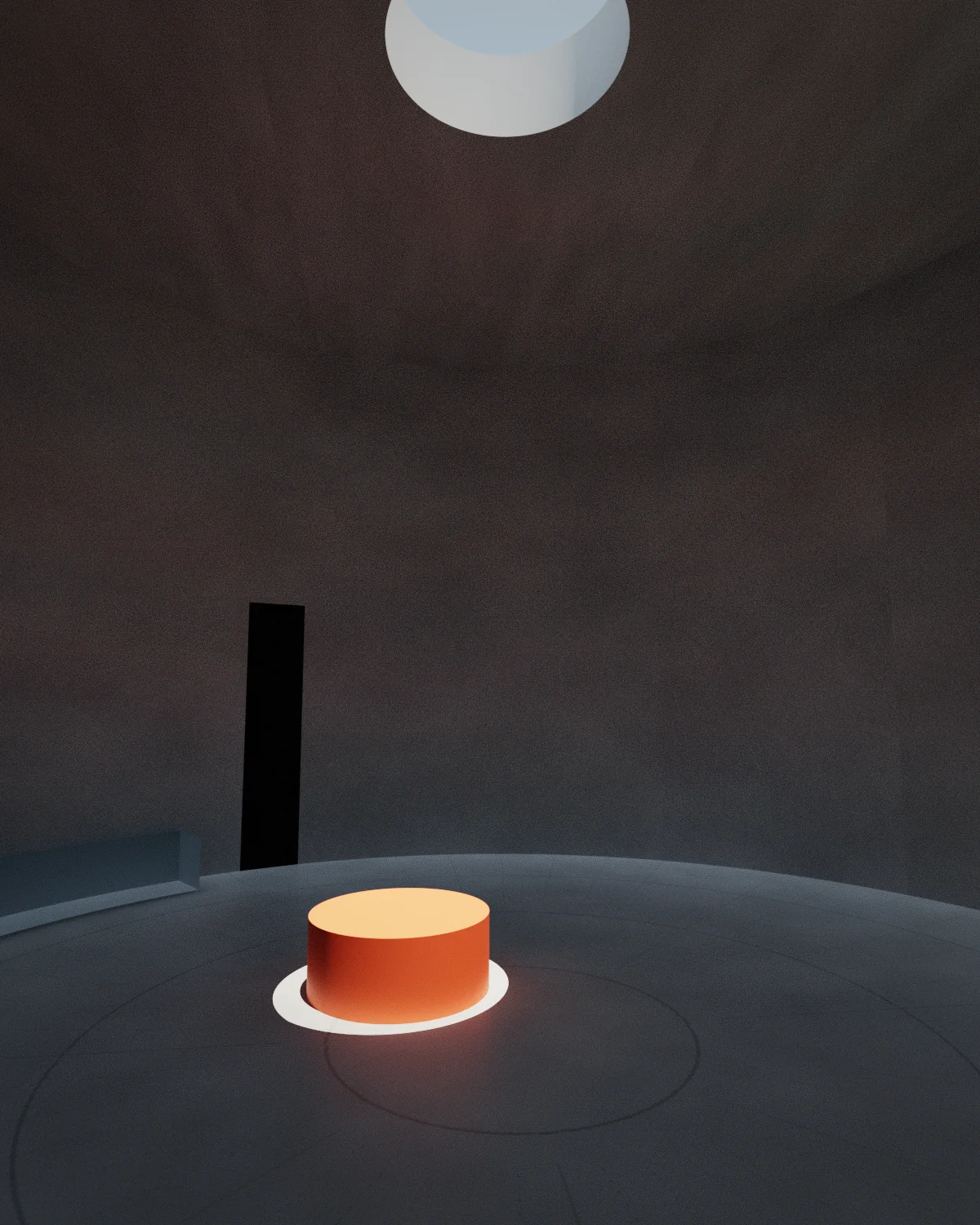
A dim round room with an opening in the roof; a single shaft of sunlight falls on an ember drum in the centre.
One opening. One point that matters.Study 01